

A reflection on artistic identity, trauma, self-expression, and why finding your authentic voice often feels less like discovery and more like reclamation.
Someone on Instagram shared a clip of Ne-Yo talking about the first time André 3000 played “Hey Ya” for the industry. Everyone laughed. Told him it was awful, that it would never sell. It went on to become one of the biggest songs in the world.
Ne-Yo’s point was about André’s resilience — “Do you know how strong you have to be to go against what everybody is telling you?” Then the line that actually stopped me: “Just be who you are — not who you think the world wants you to be. Figure out who that is, nourish that person, the universe is on your side, trust me.”
Two minutes long. Perfectly uplifting. Exactly what the algorithm wants.
I felt the inspirational dopamine hit — and then, pretty fast, the crash that follows it. Not because the message is wrong. I’m not disputing it, and I’ve got nothing but respect for Ne-Yo’s talent and hard work. It’s just that this exact sentiment is everywhere, said by countless people, in countless two-minute packages — and it skips the only part that’s actually hard.
Figure out who you are. As if that's a step. As if it's sitting there, waiting to be found, the way you'd find your keys if you finally looked properly.
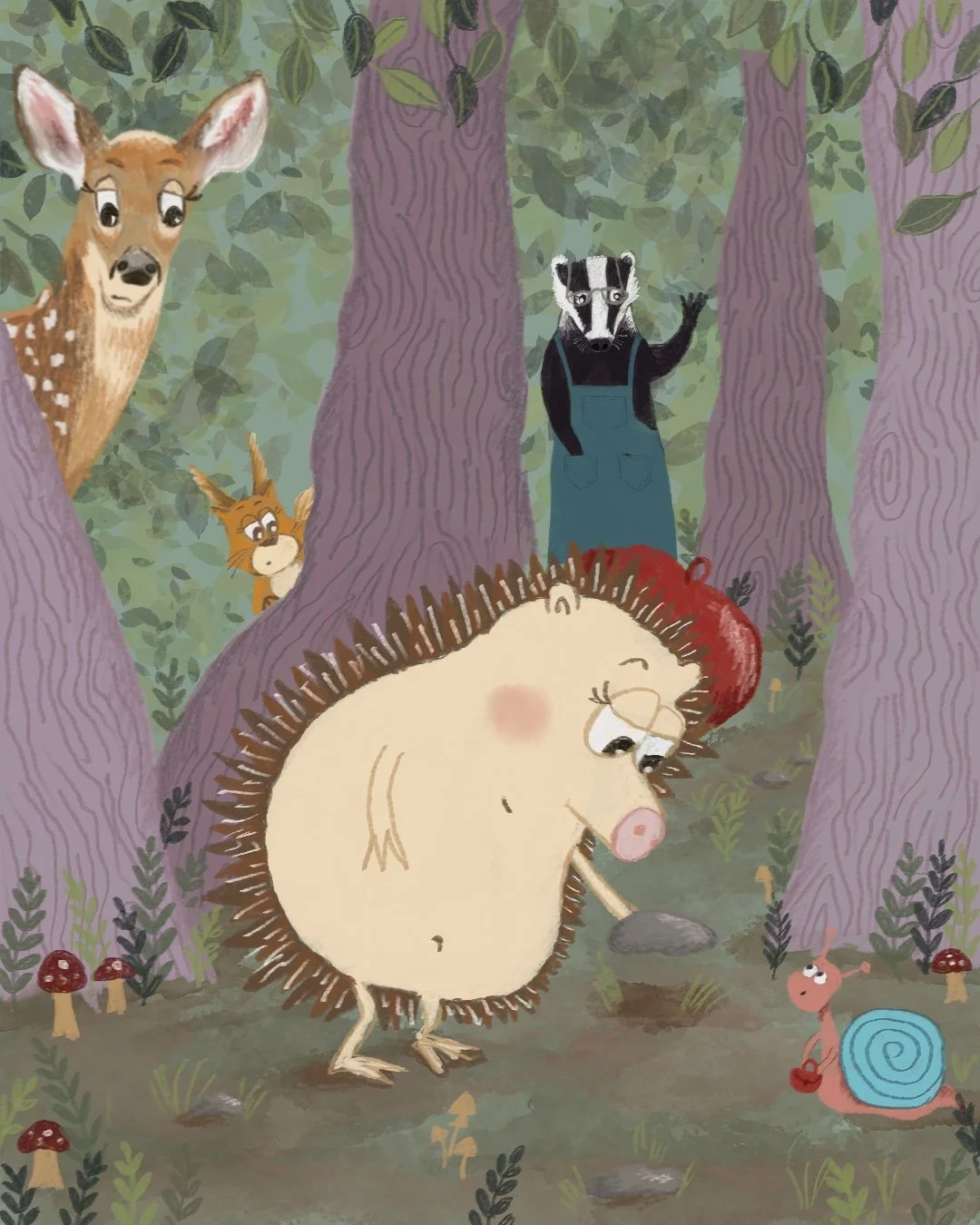
My real self must be around here somewhere!
If that’s ever been true for you — genuinely, sincerely — this isn’t your article. But I’m forty-something, and I’m only just working out who I am versus who I think the world wants me to be. So I want to sit with why “just figure it out” is so much easier said than done — for me, and maybe for you too.
Here's what a two-minute clip can't fit in: for some people, "figuring out who you are" is a genuine discovery. Nobody punished the thing they were, so it just... kept going, mostly intact, into adulthood. Figuring it out is closer to finally paying attention to something that was there all along.
For the rest of us, something else happened. Somewhere along the way — at school, at home, wherever it was — a specific version of you got a reaction (or many reactions) you didn't like. Laughed at, shut down, told to tone it down or grow up or stop showing off. And a child doesn't shrug that off and carry on regardless. A child adapts fast, because the cost of not adapting is real. So, you didn't just fail to develop a strong sense of who you were — you built a working version instead. A safer one. And it got so much practice that it started to feel like the real you.
That's not a discovery problem anymore. It's a reclamation problem — working out what got put away and slowly testing whether it's safe to bring it back out.
For artists, I think this is exactly what’s underneath a stalled illustration style, or a commission enquiry you’ve drafted four times and never sent. It’s not usually a skills problem. It’s that some version of you learned, a long time before you ever picked up a pencil professionally, that some parts of yourself aren’t welcomed. I’ve written before about the work it takes to peel back the layers to find your artistic style in Finding Your Artist Style Is Like Peeling an Onion.
Which is why "just be who you are" lands so strangely when you're an artist with any kind of trauma related to being seen. It's not that you don't know how to be yourself in the abstract. It's that the version of "you" currently doing the drawing has been quietly edited for a very long time — and nobody's handed you the tool for finding out what got cut.
I can’t pretend I have an answer to this, no 10-step listicle to “finding your authentic self.” It’s more something to keep gently chipping away at, while accepting that this journey is a long-haul one. That being said, I think I’ve noticed the process has some general themes — all of which would need separate articles or further exploration down the line, if not a whole book:
- Spend time on your own and get quiet, so you can hear what you actually want. This could look like any number of things: meditation, making art that’s just for you, experimenting, resting, being in nature, solo walking, long soaks in the bath, or taking a digital detox so you can be free of other people’s thoughts and opinions for a while. Life seems to want us always connected and always slogging, but that prevents us from spending time getting to know ourselves.
- Find ways to change your beliefs about yourself. Hypnosis, therapy, journalling — there are lots of routes in. I’ve written previously about the ways I’m learning to change the subconscious beliefs that get in the way of making and sharing my artwork in Why Willpower Isn’t Enough.
- Take a chance on exploring the “weird” things that interest you. I recently shared some social media posts about my illustration of the white witch of Burley, Sybil Leek — who is a perfect example of someone who was unapologetically herself — and my love of toadstools. These were creative urges that came to me, and instead of hiding them, I experimented with sharing them.
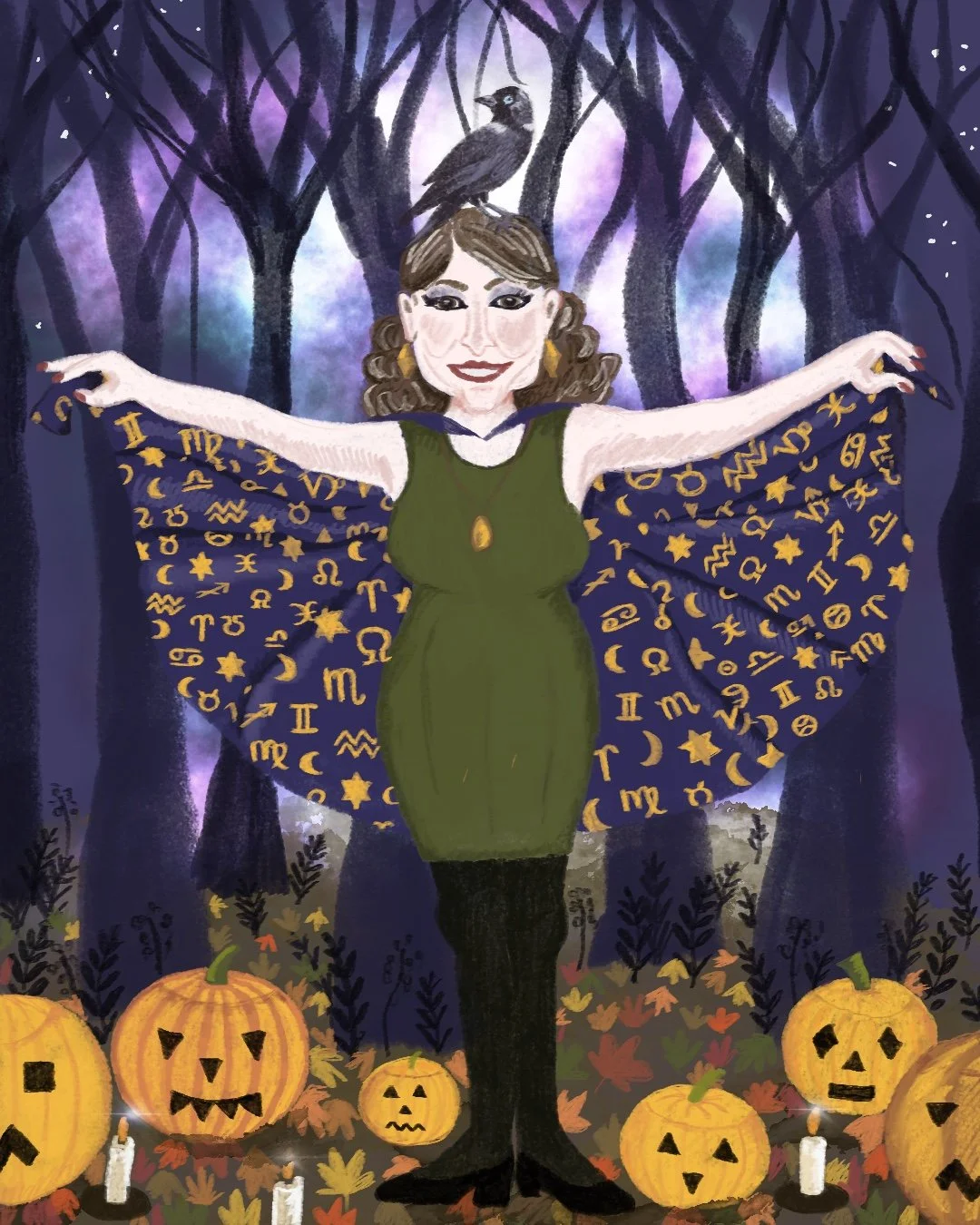
Take a chance on exploring the “weird” things that interest you
- Go easy on yourself — this is not a simple, linear path. And it could be argued that we have many different selves: our work self, our family self, the self that comes alive with certain friends or in certain environments. We’re not necessarily being disingenuous. Cultural norms still exist, and sometimes we’re just moving between rooms.
Most importantly, don’t get discouraged — or too encouraged — by a two-minute social media clip about finding the real you. It’s not that the message is wrong; it’s just that life is a lot more nuanced than that. Maybe the real self isn’t found fully formed. Maybe it’s rebuilt, one small permission at a time.
I’m here with you on the journey 😊 — and if I do find my real self hidden behind a rock somewhere, I’ll let you know 😉