

A seasonal reminder that comfort, connection and a little intentional cosiness can be fuel for a better creative life
As this is published, I will be in the Southern Hemisphere enjoying springtime in Patagonia — a long-time travel ambition finally realised 😊. And yet, for weeks already, I’ve been feeling the descent into winter back in the Northern Hemisphere: the comforting call of the blanket, the wish to cocoon myself away, and the increased craving for carbs!
Autumn — and soon winter — is upon us. Whilst I love the russet tones of the leaves, and the crunch of them under my feet, I do struggle more in the darker months. I don’t think it is clinical SAD, but I’ve written previously about my heightened anxiety and my increased need to hibernate when the days get shorter.
For some reason, the concept of hygge has been calling me for a while now. It had a real “moment” a few years ago, but it’s something I genuinely want to embrace this year when I get back to the UK — not as another lifestyle trend to perform, but as a softer, more forgiving way to move through the season.
Hygge, pronounced hoo-gah, is a Danish concept describing a mood of cosy comfort, safety and connection; the art of making ordinary life feel shared, sufficient and gently pleasurable. Norwegians have their version — koselig, pronounced koosh-lee — which seems to lean a little more towards outdoor pursuits, and I’m sure the Swedes and Finns have their own winter mindsets too. Perhaps anyone living with long, dark winters has had to become an expert in making the season feel less like something to endure and more like something to inhabit.
I believe hygge can be important to artists because it offers a practical antidote to burnout, perfectionism and the pressure of the hustle economy. Used well, it isn’t about opting out of creativity; it can actually create the conditions for better creative work.
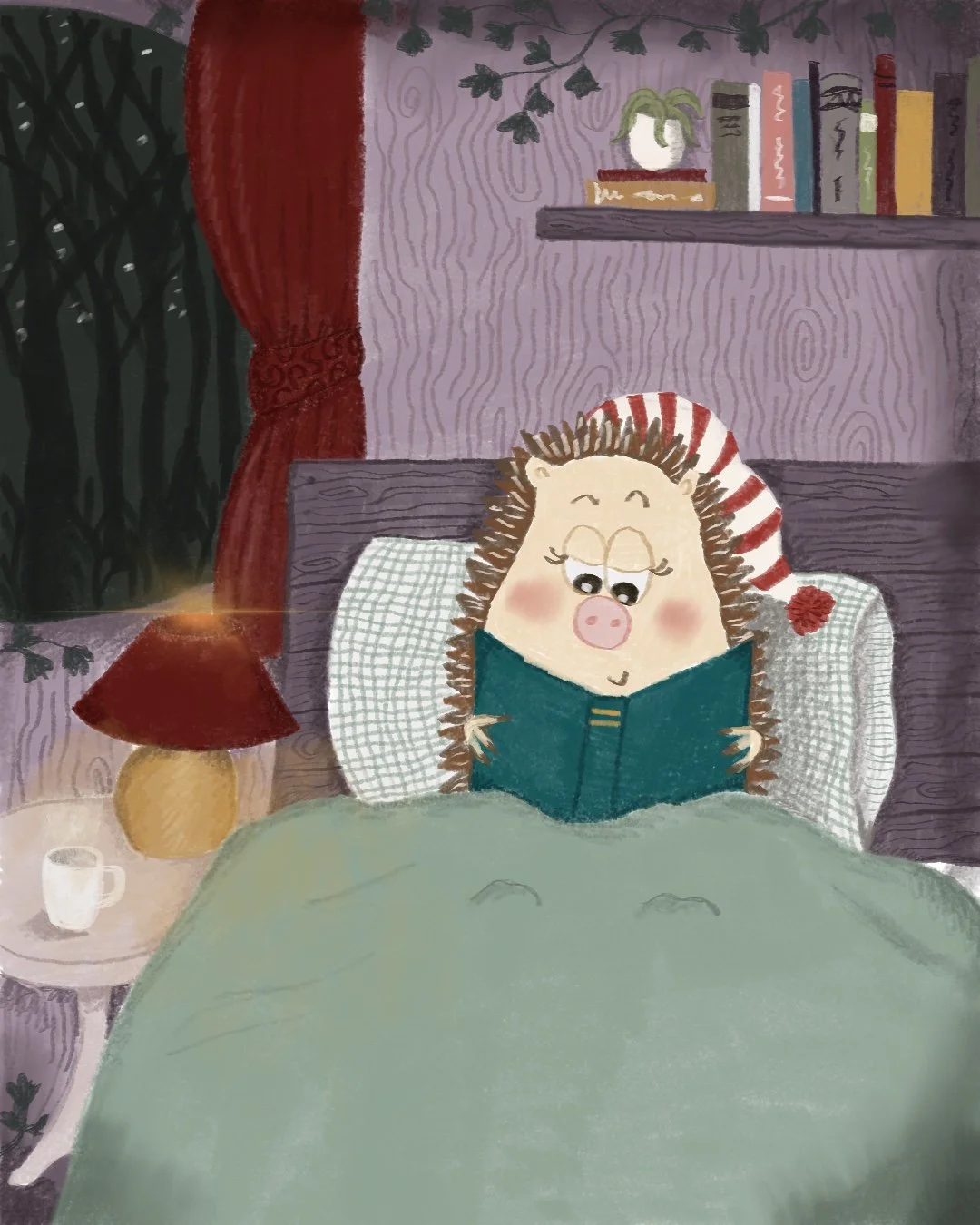
The cozy comfort of Hygge
Hygge has generally been categorized into 10 guiding principles:
· Atmosphere — create a warm, calm setting: soft lighting, candles, textures, music, and details that make a space feel welcoming.
· Presence — slow down and pay attention to the moment instead of multitasking or rushing through it.
· Pleasure — allow simple comforts: good coffee, cake, soup, blankets, books, or a quiet walk.
· Equality — keep gatherings low-status and inclusive; no one dominates, performs, or has to impress.
· Gratitude — notice what is already enough: warmth, shelter, companionship, rest, small rituals.
· Harmony — avoid competition, bragging, or tension; hygge works best when the mood is easy and balanced.
· Comfort — prioritize physical and emotional ease: cosy clothes, familiar food, safe conversation.
· Truce — set aside conflict, heavy debate, and stress for a while; hygge creates a pause from life’s demands.
· Togetherness — nurture connection through shared meals, conversation, games, traditions, or simply being near others.
· Shelter — create a sense of refuge from the outside world: a home, corner, table, or ritual that feels protective.
Why Hygge Matters for the Creative Process
· It disarms the fear of the blank canvas: Hygge prioritises low stakes and the absence of friction. Warm lighting, a hot drink and a comfortable setup can reduce that slightly panicked, over-alert feeling that makes it harder to begin. It invites us to make without immediately demanding a masterpiece.
· It reframes inactive time as refuelling: Artists often battle guilt when they are not visibly producing. Hygge gives rest, slow observation and cosy rituals a more honourable place in the process: not slacking off, but creative gestation.
· It encourages physical presence: In an age of digital overload and social media metrics, hygge draws us back to sensory awareness — textures, warmth, scent, ambient sound. Tuning into these physical details deepens observation, which is, after all, one of the artist’s most essential tools.
· It counteracts creative isolation: Solitude is necessary, but creative isolation can become oppressive. Hygge emphasises informal, low-pressure connection: gathering over tea, sketching alongside others, or sharing a meal without the stiffness of networking.

Hygge emphasises informal, low-pressure connection:
How I’m Embracing Hygge This Winter
· I’m trying not to become a total recluse! Working from home is generally great for me, but I do sometimes worry it is turning me into the village hermit — though hermits often had to be very sociable, apparently. Hygge emphasises informal, low-pressure connection, so I’ve been going to Drawn In Manchester meet-ups run by the Association of Illustrators, where I’ve met some lovely, inspiring fellow illustrators. I’m also volunteering at a local art charity’s Friday Art Social and enjoying getting creative with others in a low-key setting. And, of course, I will still venture out for Sketchbookers, my local urban sketching meet-up group.
· I’m reframing inactive time as “refuelling”. I love how hygge frames rest not as slacking off, but as essential creative gestation. In her great book How to Winter, Kari Leibowitz writes about changing one’s mindset towards winter: that feeling more tired in winter is not a character flaw, but often the result of our lifestyles not moving with nature’s cycles. She asks us to try viewing winter as a chance to slow down and become more reflective, in line with how the natural world behaves during this time. So I’m not going to shame myself for cosy nights in, drawing slowly, reading more, or taking the occasional nap.
· I’m practising gratitude. I know this sounds cheesy, but again, it’s really about changing my attitude to winter. I’m the first to admit I can be a real grump about the colder months, but that’s mainly because I’ve absorbed society’s narrative that winter is rubbish compared to summer. I don’t think I’ll ever be jumping for joy in January, but I am trying to focus on the warmth, cosiness, shelter and chance to rest that winter offers — and on the quiet pleasure of noticing the year as it draws itself in.
A Softer Way Through the Season
Perhaps that is what I’m most drawn to in hygge: not the candles or blankets on their own, lovely as they are, but the permission to soften. To stop treating winter as a personal failing or a productivity problem. To let the slower, darker months become a container for different kinds of making: quieter, more reflective, less performative, but no less valuable.
So this winter, I’m going to try to meet the season where it is. I’ll still complain about the cold and probably eat too much bread, but I’m also going to make room for warmth, connection, rest and small daily rituals that make creative life feel sustainable. If hygge can teach us anything, maybe it is that we don’t always need to push harder to make better work. Sometimes we need to feel safe enough, warm enough, and connected enough to begin again.