

Creatives: You Don’t Need a Label to Ignore Advice That Doesn’t Fit
Something about the way we talk about creativity and visibility at the moment doesn’t sit right with me. Not because the advice is entirely wrong—but because of how absolute it’s become.
“No, I think to be able to be like everyone else would be comfortable and reassuring. But some things just can’t be done. I was born different”
“That’s your answer? You were born different?”
“I think it’s clear we’re not all born the same”.
(Jack Reacher – 61 Hours by Lee Child)
This article was inspired by a piece from Ellie Chaney (The Multipassionate Creative) on the worst advice for multipassionate people, and a conversation on the Expanded Podcast about showing up authentically. Both challenged some of the most common advice we hear online—and it got me thinking about how much of that advice actually works in real life.
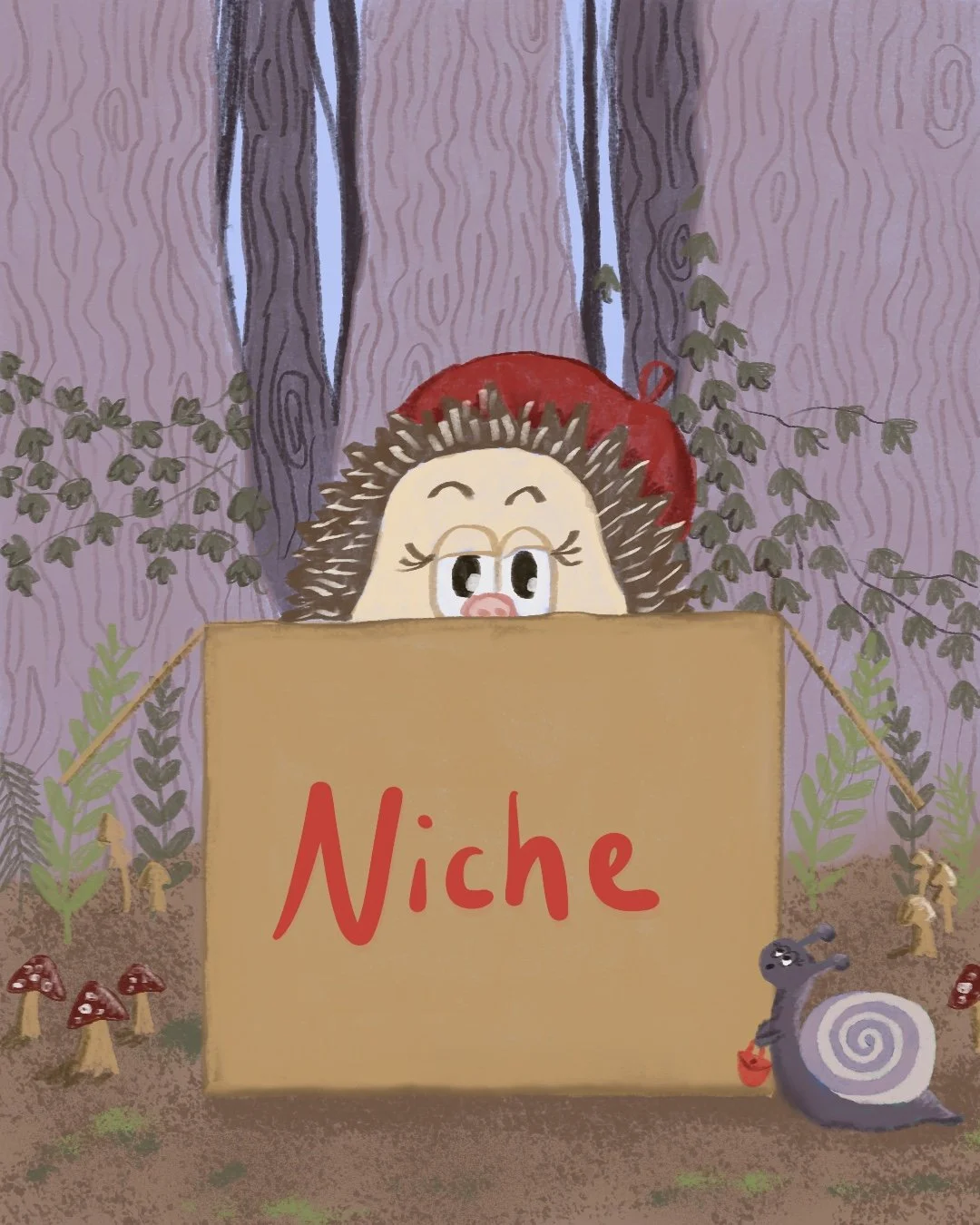
1. “You need a niche”
Ellie argues this is bad advice for neurodivergent people.
I’d go further—I think it’s bad advice for a lot of people.
Isn’t the whole point of creativity combining different things and experimenting? Think of artists like Pablo Picasso—his work evolved constantly.
Niching helps an audience feel clear and “safe.”
But what about the person creating?
It can start to feel like you’re shaping yourself for other people’s understanding, rather than following what actually interests you.
2. “Finish one project at a time”
Again, this is often framed as discipline.
But for a lot of us, it’s just not how we work.
Ellie talks about this in the context of neurodivergence—but you could just as easily apply it to:
People juggling multiple roles (work, parenting, life)
Anyone experiencing burnout or brain fog
People who naturally work in bursts
Some of us aren’t consistent—we’re cyclical.
We go deep, then we retreat.
We pick things up, put them down, and come back later with new energy.
That’s not failure—it’s a different rhythm.

3. “You have to show up consistently”
This is the one I struggle with the most.
Consistency is often presented as non-negotiable—especially online. Post every day, stay visible, and keep momentum.
On the Expanded Podcast, one brand strategist spoke about visibility in a way that made sense—but then referenced the idea that if you post on TikTok every day for a year, you’ll never have to worry about money again.
She also said she values consistency so much she’ll post anything just to keep it going.
And this is where it starts to feel off.
We’re already living in a world of constant noise and information overload.
Posting for the sake of posting—just to stay visible—goes against how I want to show up.

So what am I actually trying to say?
This is the part I’ve been sitting with:
You don’t necessarily need a label to give yourself permission to ignore advice.
A diagnosis—like ADHD or other forms of neurodivergence—can be incredibly helpful in navigating all areas of life, and hopefully getting support.
Myers Briggs types and Human Design profiles, for example, are also labels but not medically/scientifically valid - but I choose to keep them for me because they feel relevant and useful.
But you don’t need to “qualify” to opt out.
If something doesn’t fit how you think, work, or create—that’s enough.
The balance I’m trying to find
This isn’t about rejecting all advice or using it as an excuse to hide.
For me, the sweet spot looks more like this:
Being willing to be seen before I feel fully ready,
but not willing to dilute what I say just to stay visible.
A few thoughts if you’re figuring this out too
If any of this resonates, here are a few things I’m starting to test:
1. Treat advice as optional, not universal
Most advice is based on what worked for someone else—not what will work for you.
2. Notice what drains you vs what gives you energy
If a strategy consistently leaves you exhausted or resentful, it’s worth questioning—even if it’s “proven.”
3. Pay attention to what feels forced
Not everything uncomfortable is wrong—but there’s a difference between something being challenging and something feeling quietly off.
4. Define your own version of consistency
It doesn’t have to mean daily output. It could mean returning to your work regularly, in a way that’s sustainable for you.
5. Prioritise meaning over volume
In a noisy space, saying something real occasionally is more impactful than saying anything all the time.
6. Let your way of working be valid—even if it’s messy
Not everything has to look linear or polished to be legitimate.
I have a feeling that a lot of today’s “best practices” will eventually be questioned—much like other widely accepted ideas have been in the past.
Until then, we’re left to figure out what actually works for us.
And that probably starts with trusting that we’re allowed to.
(In a future piece, I’ll share how I’m starting to put boundaries around social media—and why.)