

3 Harmful myths about being an artist - and what success really looks like
How to define artist success on your own terms
Many artists believe they must work full-time, find a niche, and grow a huge Instagram following to be considered successful. In this article, I unpack three common myths about being an artist, share what actually defines creative success, and explore a healthier mindset for artists navigating careers, social media, and money.
“Success is liking yourself, liking what you do, and liking how you do it.”
Maya Angelou
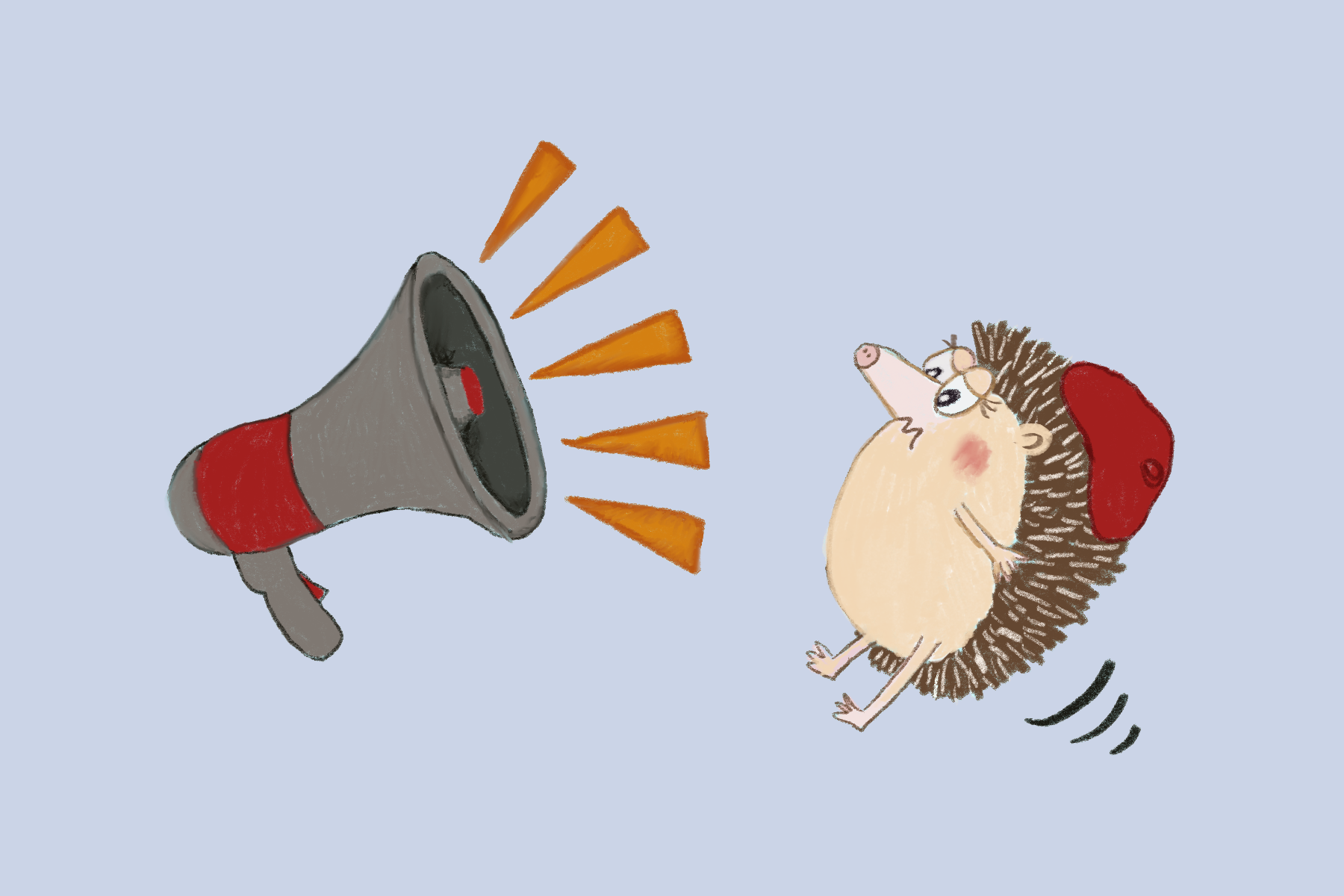
Sometimes the propaganda aimed at artists is overwhelming.
This reflection was sparked by a post from creativity coach Ellie Chaney, and it really hit home for me. It made me realise the unspoken “rules” about being an artist I’d internalised — and how unhelpful they can be.
Myth 1: Artists must work full-time to be successful.
Everywhere online, you’ll find the message that “success” as an artist means doing it full-time — that if you’re not paying all your bills with your art, you’re somehow not a real artist.
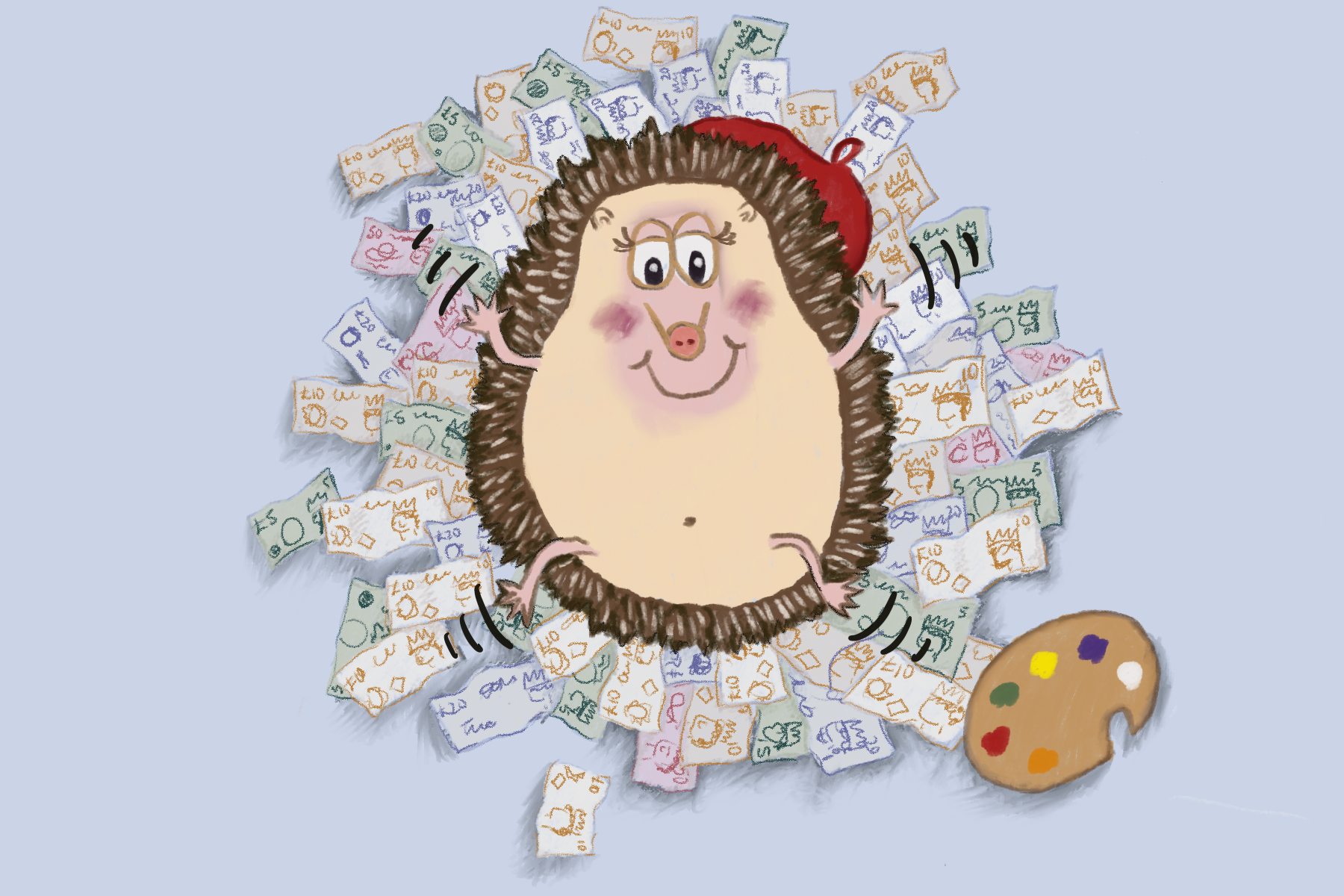
A ‘real’ artist ;-)
But when you actually look at dictionary definitions of “artist,” they all say the same thing: a person who practises or performs any of the creative arts; someone who paints, draws, or makes sculptures. None of them mention being full-time or earning a living from it.
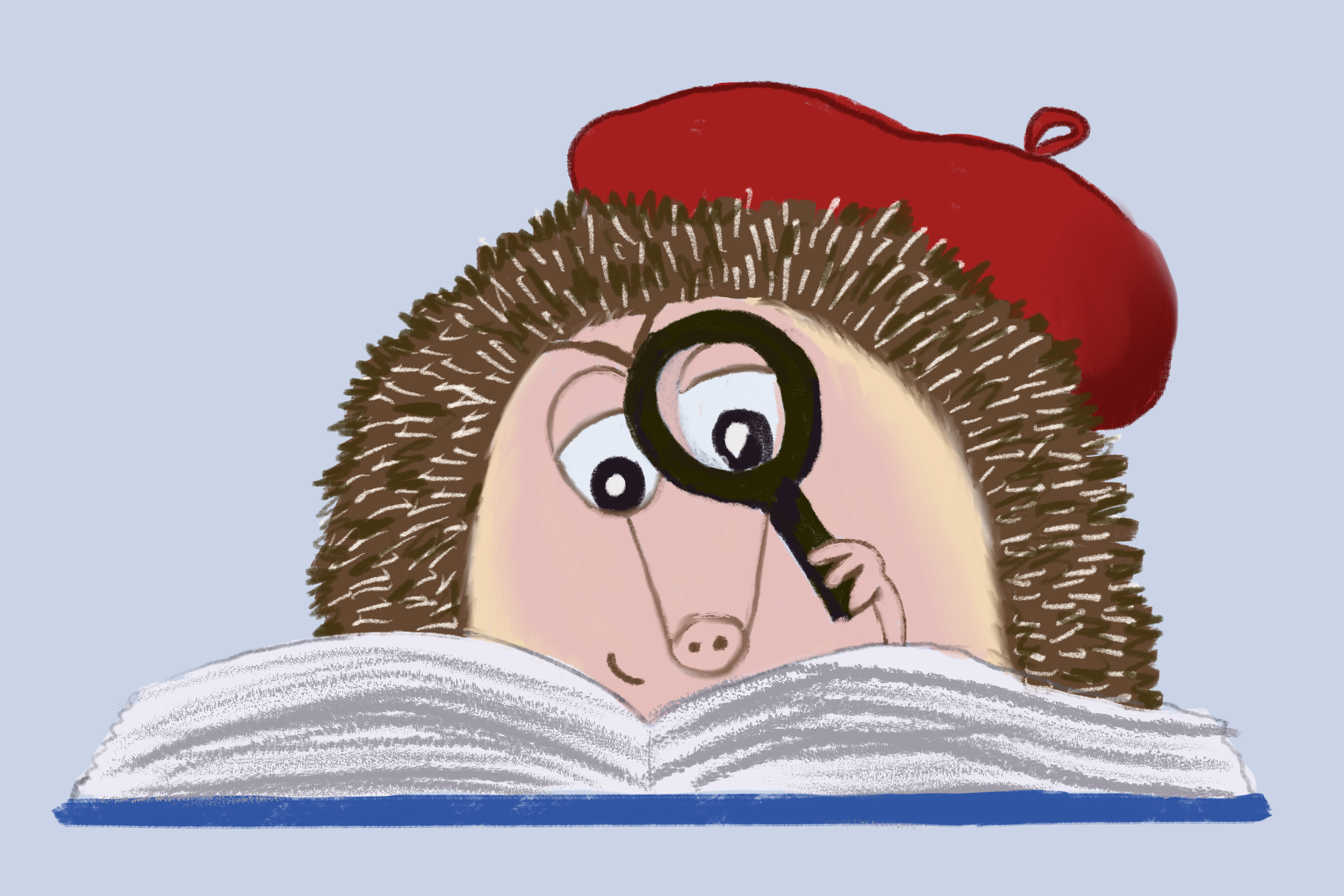
Where in the dictionary does it say ‘an artist works full-time’?
So why have we absorbed this belief that art must be our main source of income to be legitimate?
Sure, it would be amazing to give up the day job and create art all day. But in reality, to make art your sole income, you often end up wearing a lot of extra hats: marketer, PR manager, administrator, bookkeeper, web designer, customer service rep… The business side can easily consume the creative side.
The team at The Good Ship Illustration even advise keeping a part-time job, at least for a while. It helps prevent that feeling of desperation that can push you to take any commission, whether or not it’s ethical or fulfilling.
Over time, I created my own version of what “success” means to me — and none of it involves being full-time. (Though if that ever happens, great! Knowing me, I’d probably get bored anyway 😉)
My Success Markers:
Share beautiful artwork
Share thoughtful, useful content (especially around the artist’s mindset)
Earn money doing what I love (and I love lots of things, not just art)
Make business decisions that support my mental and emotional wellbeing
Be present for my friends and family
Travel as much as I can
Use my talents to help people in some way
Why not try writing your own “success markers”? Think wider than “I must make a full-time living from art to be a success.”
Truth: You’re an artist if you make art. If you make money from it, that’s a bonus.
Myth 2: You Need to Find a Niche as an Artist
Or as I like to call it — “find a box and squeeze yourself into it.”
Ellie Chaney calls herself a multi-passionate creative, and I love that. She writes beautifully about resisting the pressure to pick one thing. Emilie Wapnick even built a whole community around this idea, calling its members “multipotentialites” — think Da Vinci, the original Renaissance man - people with multiple creative interests who thrive by exploring more than one path.
For years, I bought into the old saying “There are riches in the niches” (only if you pronounce it the American way, of course 😉). But it just kept me stuck. Eventually, I even asked ChatGPT for advice — and it told me to embrace my adaptability as a strength, focus on the people I serve, and lean into storytelling and personal experience.
So that’s what I’m focusing on now.
Truth: You don’t need to find a niche. You need to find your why — and the people you want to serve.
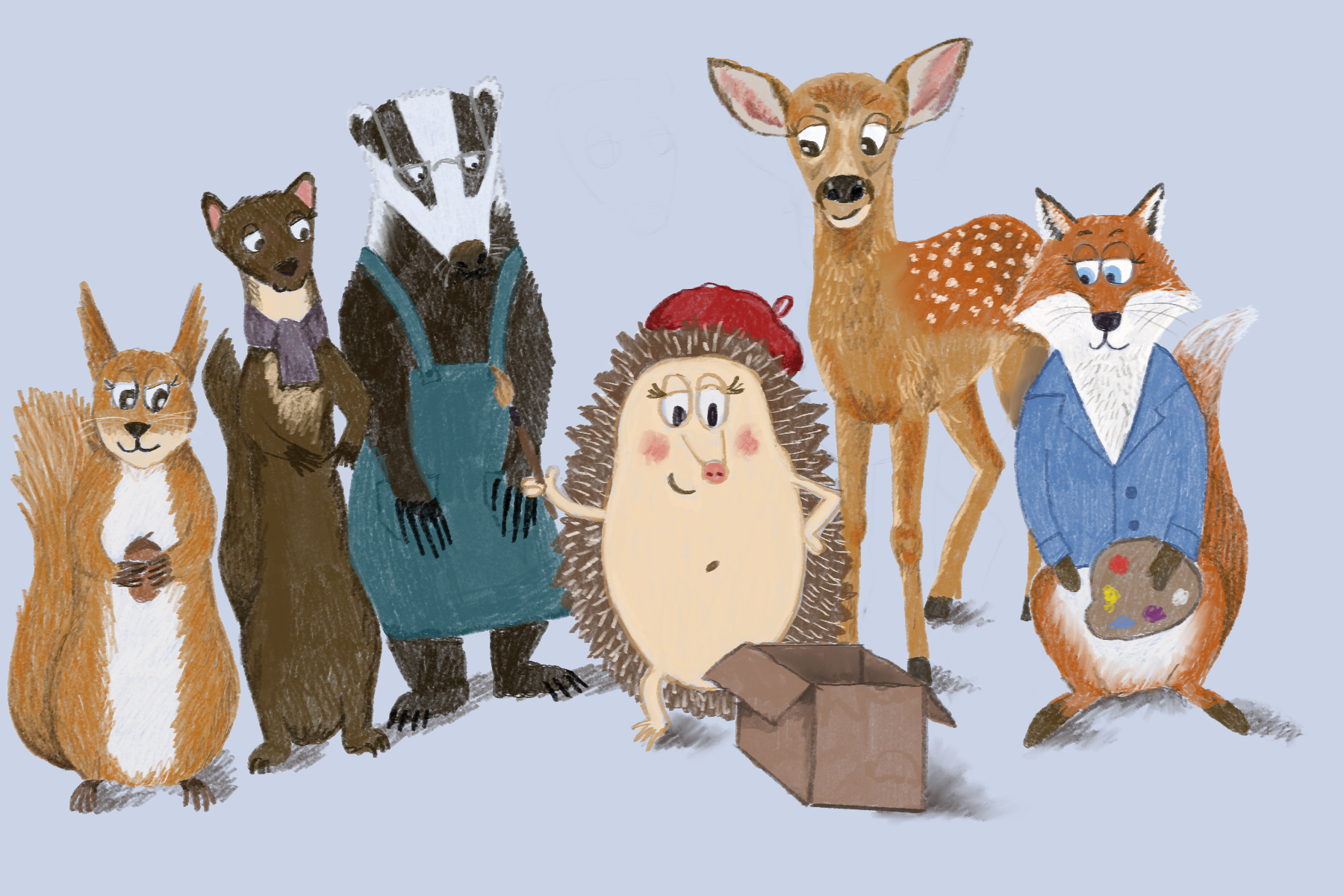
As an artist don’t put yourself in a box. Find your ‘why’, and the people you want to serve…
Myth 3: A Big Instagram Following Means You’ve Made It
Illustrator Mike Lowery said it best in his free guide to Instagram for artists:
“It’s more important to develop as an artist than to grow your following.”
“It’s more important to have a focused group of people looking at your art than an enormous number of (perhaps not that interested) followers.”
In other words, it’s far better to have a small, engaged community than thousands of people who just scroll past your work. Think ‘1,000 true fans’ — people who really see, appreciate, and support what you create.
Besides, Instagram isn’t what it used to be. Illustrator Andy J. Pizza recently compared social media’s future to an “impersonal, vast shopping mall.” And he’s right — it’s become more commercial and less connected. Artists are already exploring new, more personal ways to share their work and build community. It’ll be interesting to see what platforms rise next — ones that value engagement over follower counts.
Truth: Quality beats quantity — always.
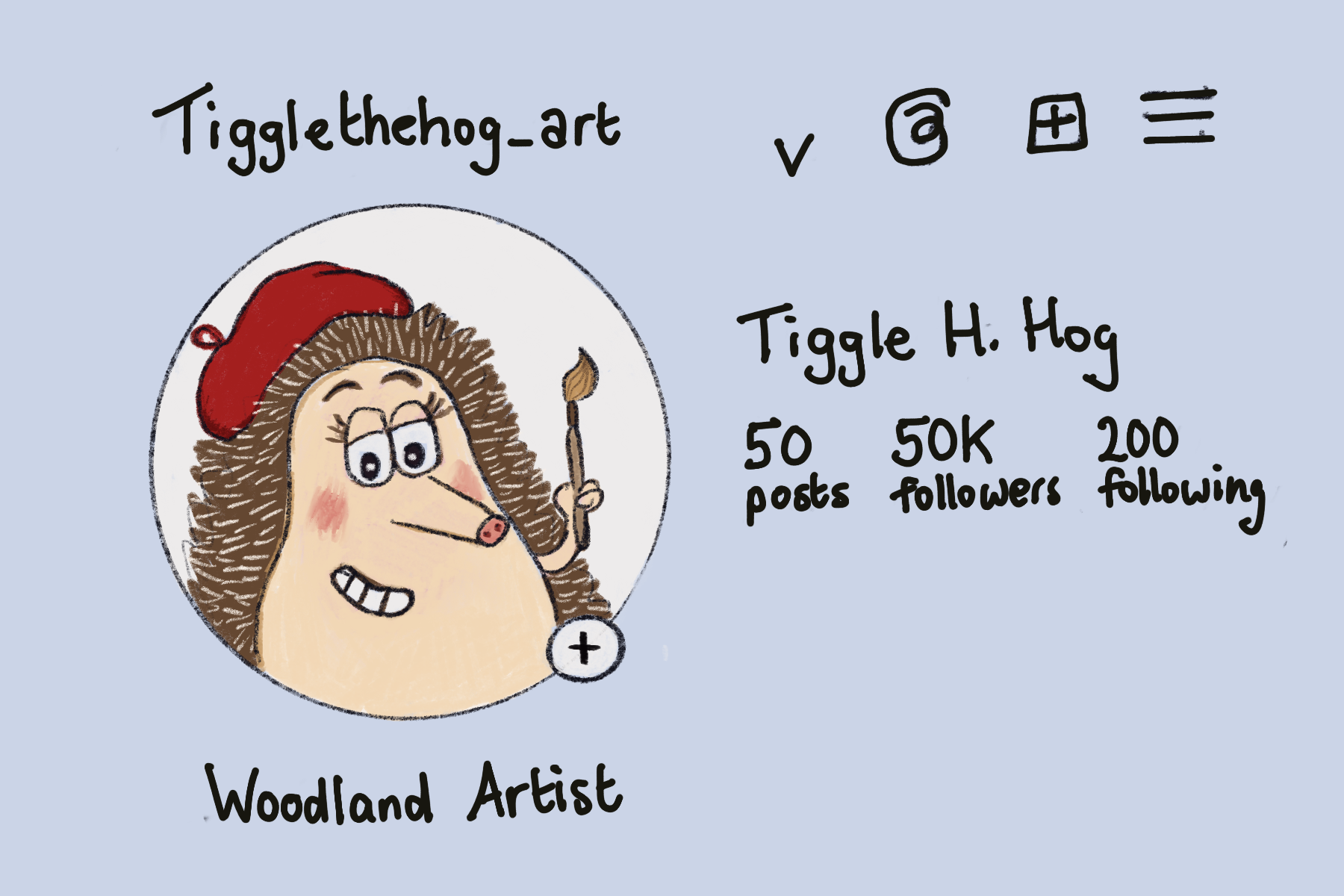
Success! (?)
Final Thoughts
Being an artist isn’t about ticking off someone else’s definition of success. It’s about creating, connecting, and staying true to your own “why.”
Forget the propaganda. You don’t need a niche, a full-time gig, or a huge following.
You just need to keep making art — and define success on your own terms.
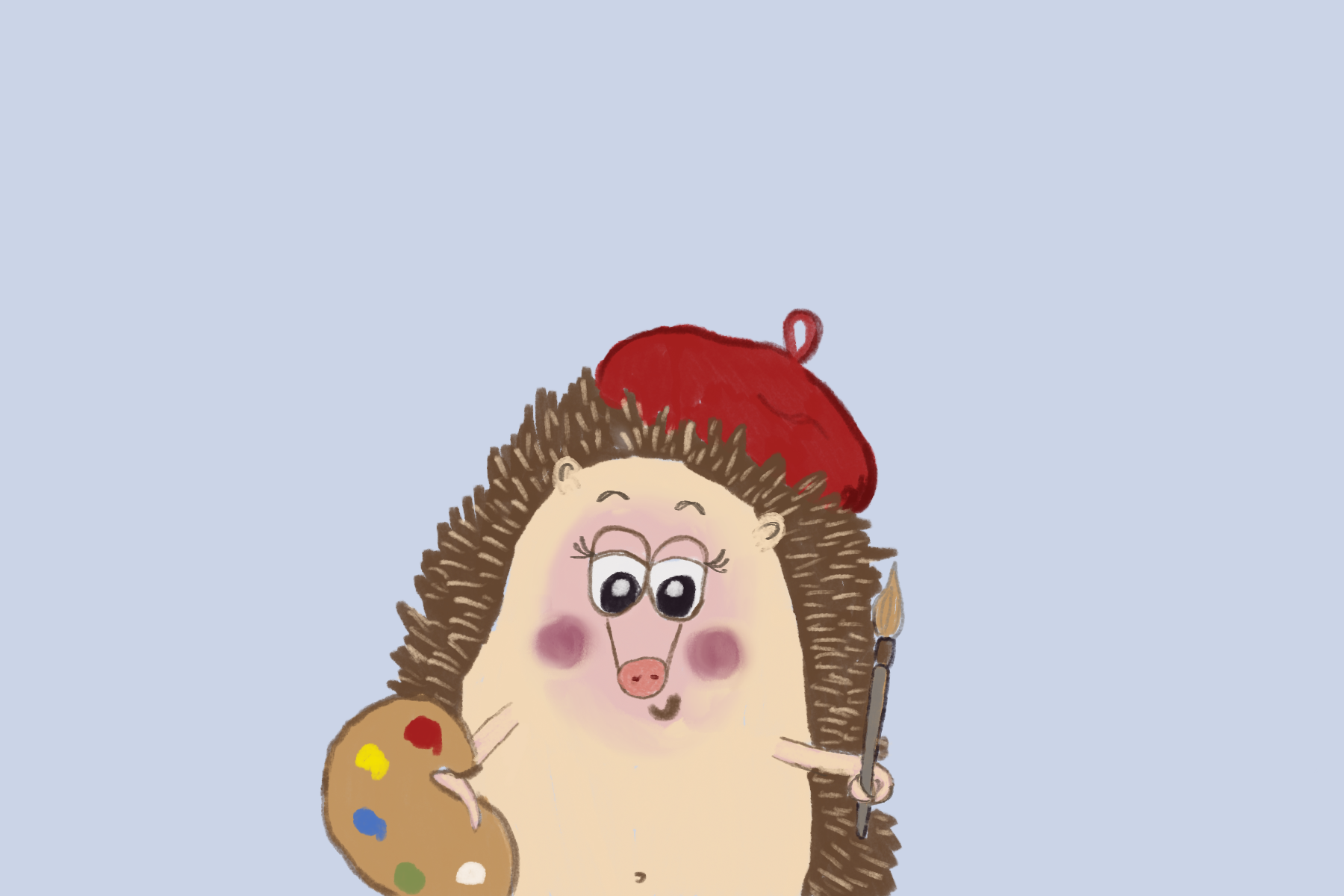
If this resonated with you, feel free share it with another artist who might need to hear it.